
When you're running an established business, there's always something that needs your attention.
A client project to finish, emails to respond to, meetings to attend, orders to fulfil or another deadline that can't wait. Your clients need you, and naturally, their work takes priority.
But somewhere between delivering your services and keeping everything running, marketing your own business gets pushed aside.
You tell yourself you'll update your website next week, take some photographs when things quieten down or finally get around to writing those social media posts you've been meaning to create.
Then another busy week passes, and nothing changes.
If this sounds familiar, you're certainly not alone. For many female business owners, finding the time and headspace to consistently market their own business is one of the biggest challenges of running it.
Why does marketing your own business always come last?
There's a difference between knowing that marketing is important and actually finding the time to do it.
When you're working with clients, there's usually a clear outcome, a deadline and somebody waiting for you to deliver. Your own marketing rarely comes with that same urgency.
It's easy to prioritise the work that directly generates income today over the work that helps bring in clients tomorrow.
There are a few reasons this happens.
1.You're busy delivering the work, not talking about it
When you love what you do, it's natural to put most of your energy into the people who have already chosen to work with you.
You're developing ideas, creating products, supporting clients and making sure everything is delivered to the standard you expect.
But while you're busy looking after your existing customers, potential clients are still discovering your business, researching their options and deciding who they want to work with.
If your website and social media aren't regularly updated, they might not be seeing the full picture of what you offer.
2.Creating content takes longer than you think
Marketing isn't simply a case of writing a caption and pressing publish.
You need something to say, photographs to accompany it, time to put everything together and somewhere to share it.
You might spend half an hour searching through old photographs, trying to find something that works for a particular post, only to end up using the same image you've already shared several times.
Multiply that by several posts a week, and content creation becomes another job on an already full to-do list.
3.You don't always know what to share
Having something to say about your business isn't necessarily the same as knowing how to communicate it visually.
You might have a new service to promote, a project you're particularly proud of or an interesting part of your process you'd love people to see.
But if your image library only contains a handful of headshots or photographs from your last website update, you can quickly run out of options.
You end up repeating the same content, using generic graphics or putting off posting altogether.
4.Your business has moved forward, but your marketing hasn't
Perhaps you've introduced new services, worked with different clients, developed your products or refined the direction of your business.
You know your business has changed, but your photographs might still represent what it looked like two or three years ago.
This makes it harder to communicate what you currently offer and the level at which your business operates.
Your marketing should reflect the business you're running today, not the one you started several years ago.
5.The problem with only marketing when you have time
One of the biggest challenges with an inconsistent marketing routine is that it often becomes reactive.
You suddenly have availability in your diary, so you start posting more frequently. You have a new service to promote, so you scramble to find photographs. You realise your website needs updating, so you try to pull everything together at once.
Rather than having a consistent supply of content ready to use, you're constantly creating it at the point you need it.
This can make marketing feel like a much bigger task than it needs to be.
It can also mean that your business becomes less visible during particularly busy periods, even though those are often the times when you have the most interesting work, projects and experiences to share.
The answer isn't necessarily to spend more time creating content. It's to make the process of marketing your business easier.


6.Make marketing easier with a library of brand photographs
Imagine opening your content planner and already having a collection of photographs ready to accompany the things you want to communicate.
A selection of portraits for your website and introductions. Working photographs that show what you do. Details of your products, workspace or materials. Images that give people an insight into your process, your personality and the experience of working with you.
Instead of having to organise a new photograph every time you want to share something, you have a library of imagery that you can draw from whenever you need it.
This is one of the reasons I believe branding photography should be about much more than updating your headshot.
A well-planned branding shoot should consider how you actually market your business and the different ways you need to communicate with your audience.
That might include:
Website imagery: Portraits, banner photographs and supporting images for your different website pages.
Social media content: A mixture of vertical and horizontal photographs, with different compositions and space for text.
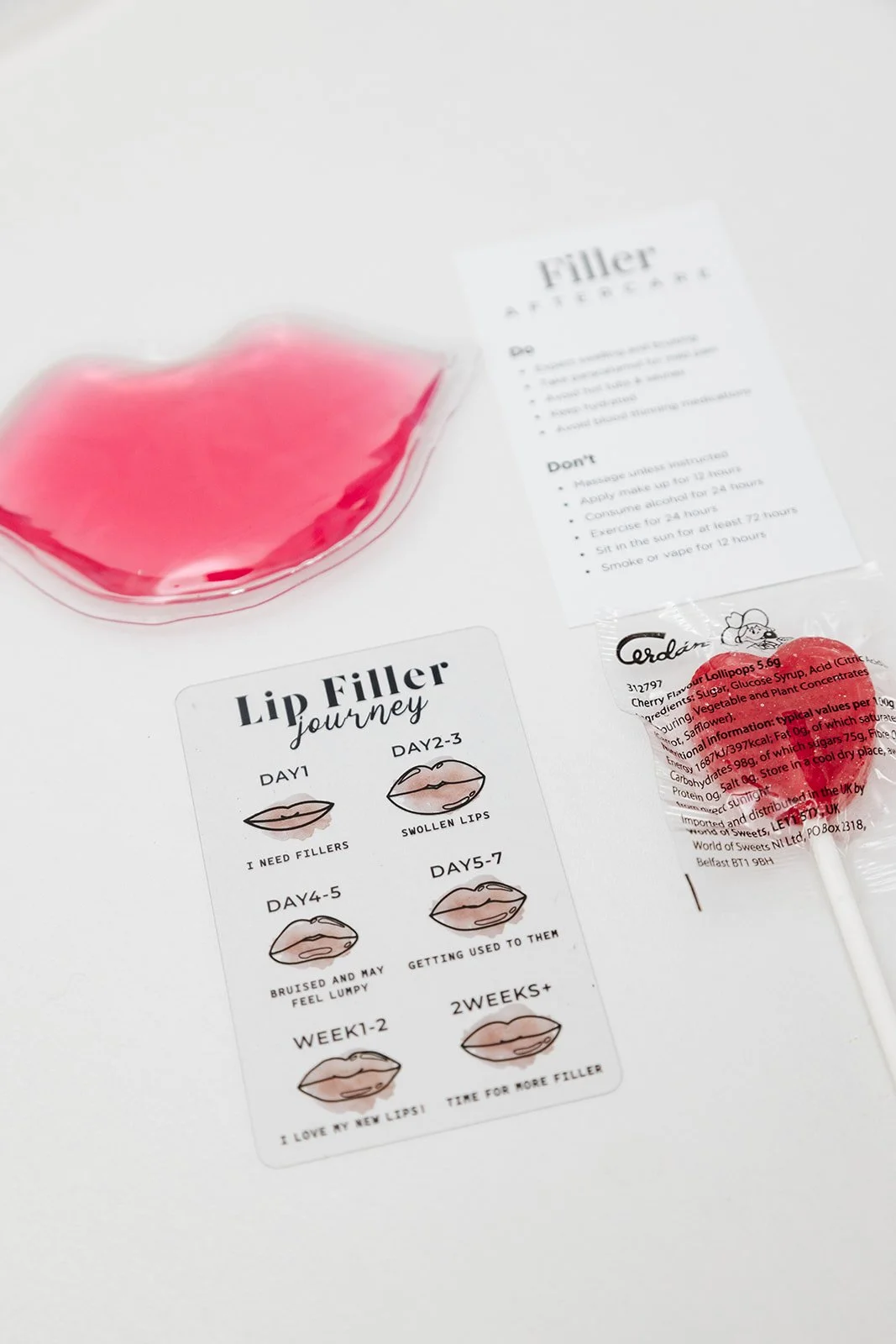
Your services and products: Images that show what you offer, the details and the quality of your work.
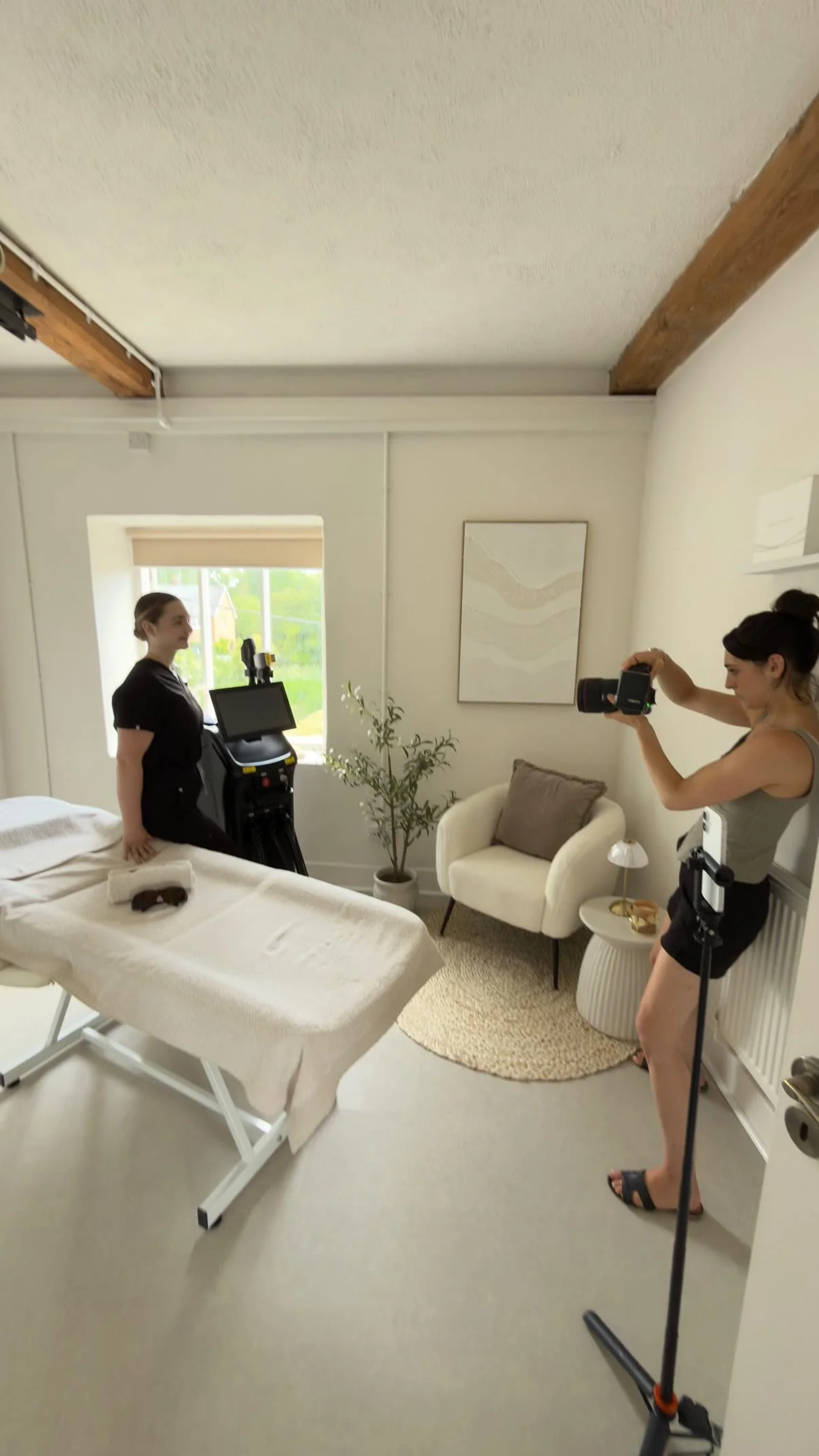
Behind-the-scenes photographs: Working moments, your creative process and the people involved in your business.
Personal brand imagery: A variety of portraits that show different sides of your personality and give potential clients a better sense of who you are.
Having this variety means you're not relying on the same two or three photographs to represent your entire business.
7.Plan your imagery around how you actually use it
The most useful brand image libraries aren't simply collections of photographs that look good together.
They're created with a purpose.
Before a branding shoot, it's worth thinking about the content you regularly share, the services you want to promote and the information potential clients need before deciding to work with you.
For example, if you regularly share educational content, you might need portraits with space alongside them for text. If you sell physical products, you may need a mixture of product photographs, close-up details and wider images showing how they're used.
If your business relies on personal relationships, photographs of you working, interacting with clients or simply being present in your workspace can help communicate the experience of working with you.
This is where planning and creative direction make such a difference.
Rather than simply turning up and taking a series of portraits, the shoot is designed around your business, your visual identity and the ways you want to use your photographs.
8.You don't need to create everything at once
Having a bank of brand photographs doesn't mean you need to post every day or spend hours scheduling content.
It simply gives you more choice.
You can plan several weeks of content in advance, revisit photographs for different purposes and use the same image library across your website, social media, newsletters and marketing materials.
You can also build on that collection over time as your business develops.
The aim is to create a more consistent visual presence without having to organise a new set of photographs every time you want to promote something.
9.Give your own business the attention it deserves
It's easy to spend so much time looking after your clients that your own business gets whatever time is left.
But the work you're doing behind the scenes deserves to be seen too.
Your website, social media and marketing materials are often the first introduction someone has to your business. They should communicate the quality of your work, the personality behind it and the experience you offer.
Having the right photographs ready won't solve every marketing challenge, but it can remove one of the biggest obstacles: constantly having to find something suitable to share.
And perhaps that's the best place to start. Not by adding another task to your already busy schedule, but by putting the right foundations in place to make marketing your business easier
Is your brand imagery working hard enough?
Take a closer look at the branding photographs you're currently using across your website and marketing. My free guide will help you identify where your image library has gaps and what you could improve to create a more considered visual presence.
Continue reading
NEXT ARTICLE
Read next article → Why you're still using the same few brand photos everywhere – and how to create more variety